
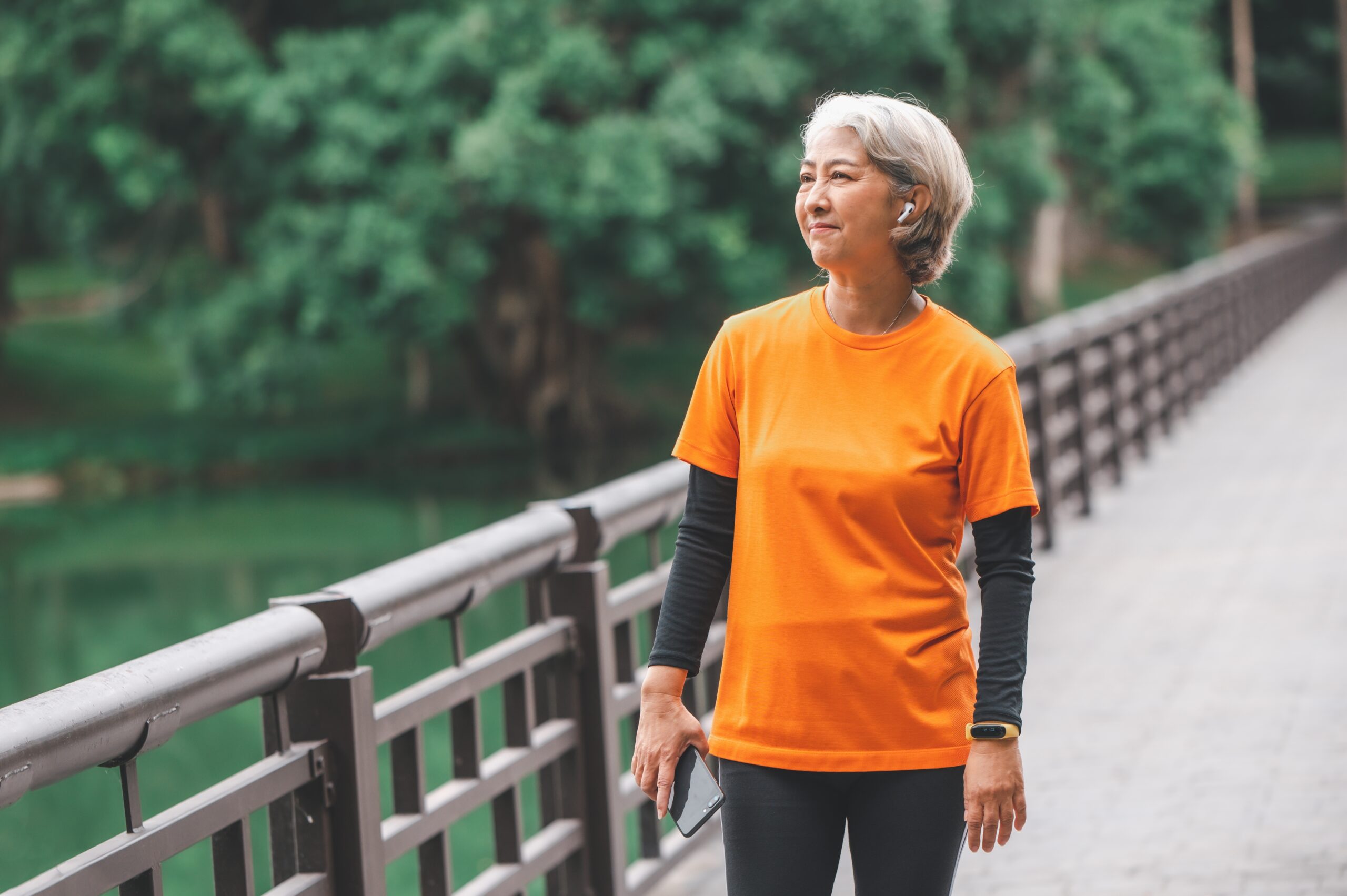

The sun is shining, school has gone back, holiday madness has ended and people are approaching their new-year fitness goals with unbridled enthusiasm, untamed by dreary, cold days and untempered by the reality of an overpacked schedule.
These are all things that fill our hearts as physios. Unfortunately, they also come with an increase in over-use injuries – especially tendon pain! In particular, we see a lot of hip pain with all the extra walking (or dancing) people are doing.
The function of our side hip muscles (our lateral glutes) is partially to keep the pelvis level when we’re walking or standing on one leg. If you want to see what it looks like when these muscles aren’t being used well, check out any fashion show this year, catwalk models seem to make a solemn vow to not use their lateral glutes. In general, if you’re walking or hiking more, you’re loading up these muscles and tendons more!
Tendons are curmudgeonly tissues who don’t like rapid change, you’ve kind of got to sneak up on them. As all good science does – we have a formula! We call it the acute/chronic workload ratio. You take the acute workload – the amount of work you’ve done in the last 7 days (that might be steps) and divide by the average amount of work you’ve done in the last 28 days, if that number comes out to less than 0.8 or more than 1.3 you’re at a greater risk of injury. In general, it’s best not to increase your activity by more than 10-15% a week.
Women tend to get these injuries in the hip more often than men, in part due to the fact that we tend to have wider hips than knees, but also because the decline of estrogen in menopause can promote widespread, low-grade inflammation.
So how do we manage them?
Firstly we have to give them time to calm down – a period of relative offloading. If you were already a big walker, that might mean walking with sticks to help keep your pelvis level, or walking less. For most of us it will mean doing a bit more rest and paying attention to keeping both feet on the ground when standing. We don’t want to stop everything completely though, remember that ratio from before? If we’re doing way less than usual we’re also at risk of injury. Regular exercise is also anti-inflammatory, which is what we want when we’re managing what’s in essence an injury of low-grade inflammation.
Sleep. Sleep is also a powerful anti-inflammatory aid. We need to be getting good sleep, which generally means sleeping on your back, or on the unaffected side with a pillow between your knees. There are some pretty nifty pillow devices that can be attached to your leg so you don’t lose your pillow if you happen to roll during the night. If pain is preventing good, restorative sleep even with the modifications, talk to a pharmacist about pain management.
After the initial de-loading phase, we start back doing some isometric exercise through the glutes, think wall squats in scooter position and clam position with no movement. These are also helpful analegesic exercises!
We then start strengthening the local muscle groups -think scooters, hip airplanes and side-planks (we have a tonne of wonderful ways of getting them working).
Then we have to load up the whole leg and figure out what deficits may have lead you to overload there in the first place!
Come and chat to us about your tendon rehab!